Behind the Algorithms: How Data Patterns Shape Personalized Incentives in British Gaming Platforms
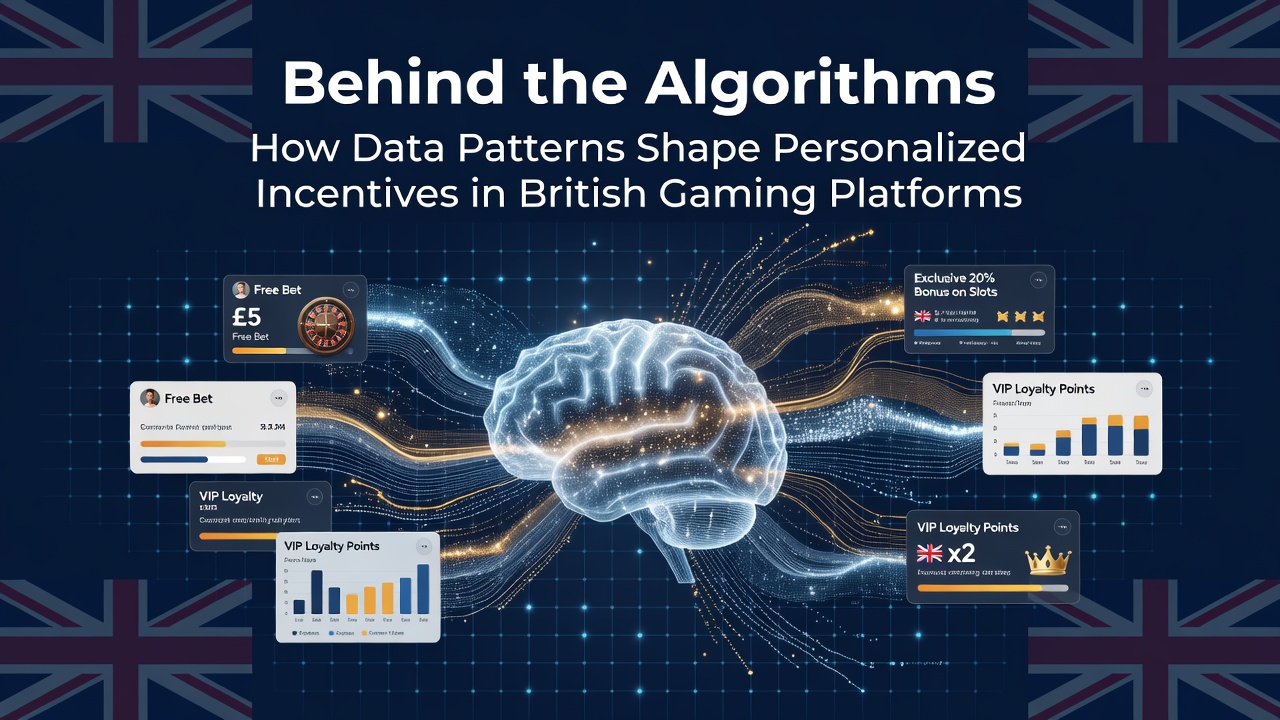
British gaming platforms have integrated advanced data analytics into their operations for years, and by June 2026 these systems continue to refine how incentives reach individual users through pattern recognition and predictive modeling. Operators collect details on betting frequency, game preferences, session duration, and deposit behavior, then feed that information into algorithms designed to generate offers tailored to specific profiles rather than generic promotions distributed across all accounts.
Data Collection Methods and Pattern Recognition
Platforms gather information from multiple touchpoints including mobile app interactions, website navigation logs, and transaction histories while users engage with slots, sports markets, or table games. Machine learning models process these streams to identify clusters such as high-volume evening players or those who respond to free spin triggers after losses, allowing systems to segment audiences without manual intervention. Researchers at the Australian Institute of Family Studies have documented similar approaches in international markets where behavioral data drives reward structures, noting that volume-based tracking often reveals consistent sequences like repeated stake increases following small wins.
These patterns emerge from statistical correlations rather than random assignment, so an algorithm might detect that certain users complete deposit cycles every Thursday and respond by surfacing reload matches timed to those intervals. Observers note that session heatmaps help distinguish casual browsers from dedicated participants, enabling platforms to adjust incentive timing and value based on demonstrated activity levels instead of broad demographic categories.
Algorithmic Personalization of Incentives
Once patterns stabilize, platforms deploy rule-based engines combined with neural networks to craft offers such as deposit matches scaled to recent spend or loyalty points calibrated to game type affinity. A user who favors live dealer roulette might receive cashback thresholds tied to table minimums, while a slots enthusiast sees free round allocations linked to volatility preferences extracted from past plays. This process operates continuously, updating profiles after each interaction so incentives evolve alongside shifting habits rather than remaining static across months.
Industry reports from the National Council on Problem Gambling in the United States highlight how such targeting relies on real-time feedback loops, where acceptance rates of previous offers refine future suggestions and reduce wasted distribution. British platforms apply comparable techniques, though they incorporate additional variables like device type and geographic signals to further narrow delivery windows and avoid overlap with concurrent promotions.

Real-World Implementation Examples
One documented case involves a mid-sized operator that analyzed six months of poker traffic and discovered players logging in after 9pm showed higher retention when offered milestone drops scaled to hands played. The platform adjusted its system accordingly, resulting in measurable increases in repeat sessions without altering the underlying game mechanics. Another example comes from sports betting sections where accumulator builders receive boosted odds on selections matching historical bet combinations stored in user profiles, a technique refined through iterative testing across thousands of accounts.
These adjustments occur behind automated dashboards monitored by data teams who intervene only when edge cases appear, such as sudden spikes in activity that fall outside established clusters. Data shows that personalization reduces the volume of generic emails sent while maintaining engagement metrics, because recipients encounter fewer irrelevant messages and more items aligned with demonstrated interests.
Regulatory and Technical Considerations
Platforms must balance algorithmic efficiency against compliance requirements that govern transparency in how personal data influences offer eligibility. Technical architectures often include audit trails that log decision factors for each incentive generated, allowing review processes to verify fairness across segments. External audits conducted by independent firms examine whether models inadvertently disadvantage certain user groups or create unintended escalation in play intensity, though outcomes depend on the specific variables prioritized during training.
European research consortia tracking digital gambling trends have reported that platforms incorporating multi-variable testing achieve more stable retention curves compared with those relying on single-metric triggers. British operators participate in these broader discussions through trade associations, sharing anonymized aggregate findings that inform industry standards without disclosing proprietary model details.
Future Trajectories as of Mid-2026
By June 2026 integration of additional data streams such as cross-platform loyalty identifiers and contextual signals from wearable devices appears increasingly common among larger operators. These expansions allow finer segmentation, for instance distinguishing weekend recreational users from those maintaining steady weekday patterns, and permit incentives to shift dynamically within a single session if behavior deviates from predicted norms. The underlying mathematics remains grounded in probability distributions and clustering algorithms rather than speculative forecasting, which keeps outputs tethered to verifiable historical records.
Continued refinement depends on data quality and model interpretability, areas where developers focus on reducing false positives that surface mismatched offers and erode trust. Platforms that maintain transparent communication about data usage while delivering relevant incentives report sustained participation rates, according to aggregated sector statistics released through academic channels.
Conclusion
Algorithms shaping personalized incentives on British gaming platforms operate through continuous analysis of behavioral sequences and statistical correlations that convert raw interaction logs into targeted offers. This infrastructure has matured by June 2026 to support precise timing and value calibration while remaining subject to technical audits and evolving compliance frameworks. Observers tracking the sector note that the core mechanism relies on pattern detection rather than invention, producing incentives that align with observed activity without requiring constant human oversight. The result is a system where data patterns directly inform reward distribution across diverse user groups.