Data-Driven Personalization in UK Gambling Rewards: How Algorithms Tailor Offers to Individual Play Patterns

UK gambling operators have integrated data analytics into their reward systems at scale, with algorithms processing individual play histories to generate customized incentives that match observed behaviours rather than applying uniform promotions across all users.
Data Inputs Driving the Systems
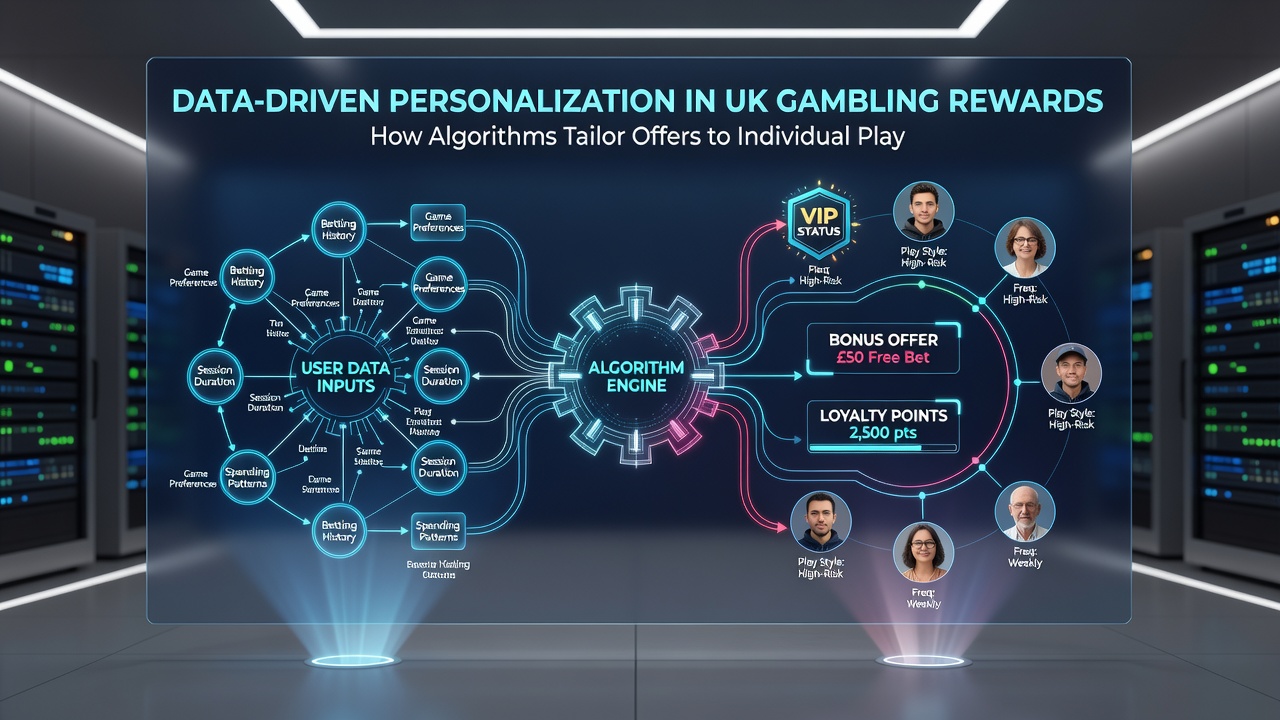
Play patterns supply the core dataset, including session duration, average stake per bet, game category preferences, and timing of activity, while operators also track deposit frequency, withdrawal patterns, and responses to prior offers, allowing systems to segment users into clusters such as high-volume slots enthusiasts or occasional sports bettors who respond to accumulator boosts.
These inputs feed machine learning models that identify correlations between specific behaviours and retention outcomes, with clustering techniques grouping similar profiles so that offers can scale efficiently without manual intervention for each account.
Algorithmic Methods in Use
Predictive models analyse historical sequences to forecast which reward type is likely to prompt continued engagement, for instance routing free spin credits toward accounts showing repeated low-stake slot sessions or directing cashback percentages to users whose betting volume spikes during evening hours, and reinforcement learning loops refine these predictions as new interaction data arrives.
Real-time adjustments occur when live activity deviates from established patterns, triggering modified offers mid-session, and A/B testing frameworks run continuously to compare variant offers within similar user cohorts, updating model weights based on measured uptake rates.
Examples of Pattern-Based Tailoring
Accounts demonstrating consistent multi-bet activity on football markets often receive boosted odds on accumulator selections, whereas players logging frequent short sessions on progressive jackpot slots see targeted entry into milestone prize draws, and those whose deposits follow losing streaks may encounter loss-recovery mechanics calibrated to their average stake range.
Operators have documented cases where volume-based loyalty tiers activate automatically once play metrics cross predefined thresholds, delivering escalating perks without requiring users to opt in manually, and cross-category fusion offers appear when algorithms detect simultaneous interest in both sports and casino products within the same account history.
Operational Rollout Across Platforms
By July 2026 integration of these systems had become standard among major UK-facing sites, with backend platforms ingesting anonymised telemetry from mobile and desktop channels to maintain consistent profiles across devices, and partnerships with third-party analytics providers supplied additional enrichment layers such as device fingerprinting and geographic session data.
Resource allocation for these programmes focuses on reducing churn among mid-tier players whose patterns indicate risk of disengagement, while high-value segments receive more bespoke sequences of incentives calibrated to longer time horizons.
Measurement and Refinement Practices
Performance tracking relies on metrics including offer redemption rates, incremental deposit volume, and session length extension, with dashboards presenting cohort-level comparisons that inform weekly model updates, and external benchmarks from industry research bodies help calibrate expectations around achievable lift from personalisation efforts.
One study published by the Responsible Gambling Council examined similar algorithmic approaches in Canadian markets and reported measurable differences in engagement duration when offers aligned closely with recorded play sequences, while an academic paper from the University of Sydney analysed European operator datasets and highlighted the role of temporal pattern recognition in improving reward relevance.
Conclusion
Algorithm-driven personalisation now shapes the structure of rewards distributed by UK gambling operators through continuous analysis of individual play data, resulting in offers that reflect specific behavioural signatures rather than broad eligibility criteria, and ongoing model development continues to refine how these systems balance retention objectives with operational constraints.