Event-Driven Retention Tactics in British Digital Wagering Platforms During Championship Cycles
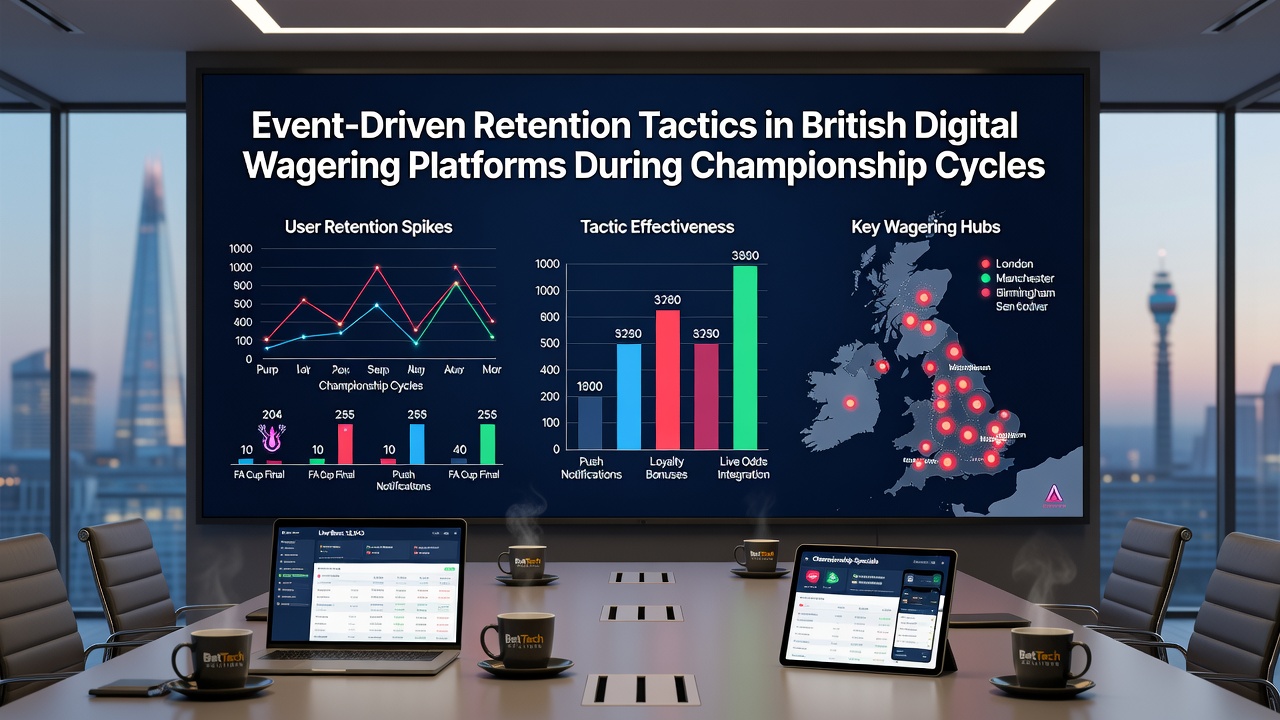
British digital wagering platforms have developed sophisticated retention approaches that align directly with championship cycles such as the UEFA European Championship and FIFA World Cup periods, and these strategies focus on sustaining user activity through structured engagement mechanisms rather than one-off promotions. Operators track tournament schedules months in advance and activate layered reward systems that adjust in real time based on match outcomes and user participation patterns.
Championship Cycles as Retention Anchors
Championship events create predictable peaks in platform traffic, and British operators use these windows to deploy retention tools that encourage repeated logins and sustained account balances. Data from industry reports shows increased session durations during group stages and knockout rounds, prompting platforms to introduce milestone-based rewards tied to specific fixtures. For instance, users who place bets across multiple matches in a single tournament phase receive escalating loyalty points that unlock tiered benefits lasting beyond the event itself.
Platforms segment users according to historical engagement levels during previous cycles, and this segmentation allows for targeted communications that reference past tournament behavior. Observers note that such personalization reduces churn rates by aligning offers with individual betting histories, while automated triggers send notifications when a user's favored team advances or when certain statistical thresholds are met within ongoing matches.
Mechanics of Event-Tied Loyalty Systems
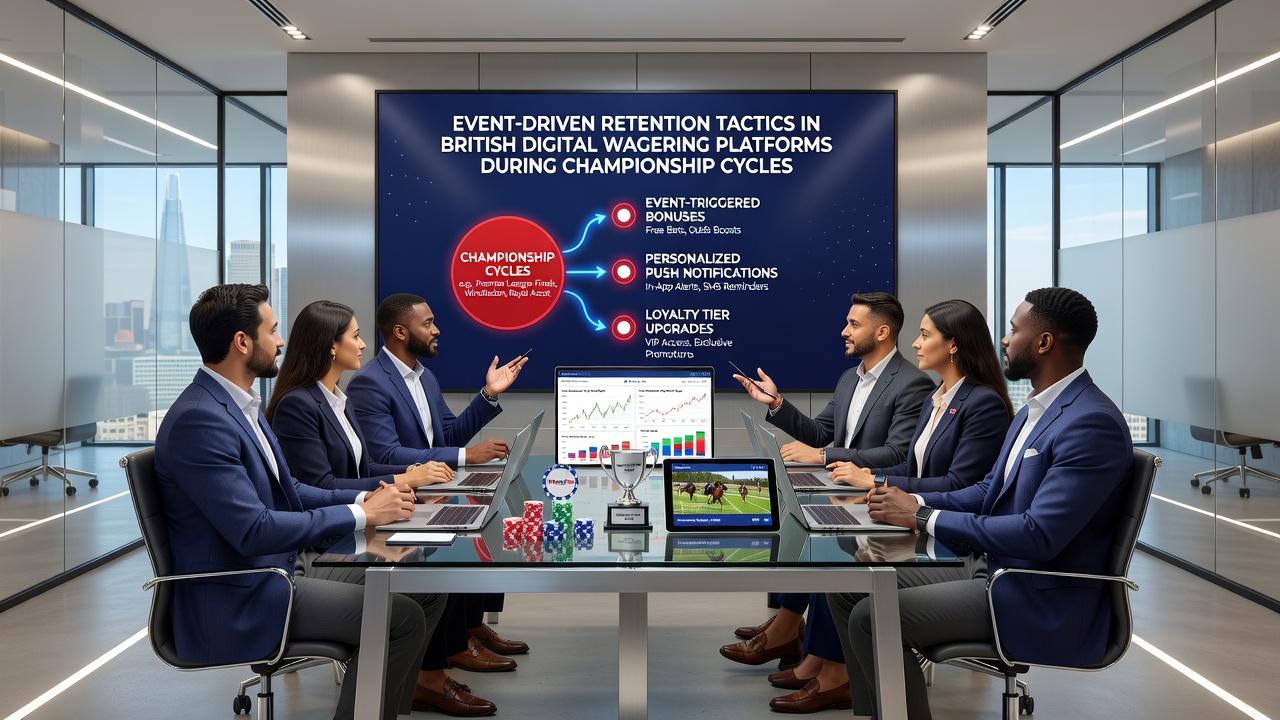
Retention tactics often incorporate dynamic multipliers on existing loyalty programs, where points earned during championship matches convert at higher rates than standard periods. British platforms integrate these multipliers with progress trackers that display real-time advancement toward event-specific badges or status upgrades, and users who maintain consistent activity across an entire tournament cycle qualify for exclusive cashback structures capped at predefined percentages of net losses.
Push notification sequences activate around key fixtures, delivering reminders about pending rewards or time-sensitive challenges that require logins within narrow windows following match conclusions. These sequences combine with in-app dashboards that highlight cumulative progress, and the approach keeps users returning even during lulls between high-profile games. Research from academic studies on digital engagement indicates that such visible progress indicators correlate with higher retention across subscription-style services, and wagering platforms have adapted similar frameworks to their environments.
Data Utilization and Personalization Layers
British platforms collect granular data on betting patterns during championship cycles, including preferred markets, stake sizes, and timing of activity relative to match starts. This information feeds into algorithmic models that generate individualized retention offers, such as enhanced odds on specific teams or sportsbooks that reflect a user's historical preferences. External analyses from the Canadian Heritage sports research division highlight how data-driven personalization in event contexts improves user return rates across regulated markets, and British operators apply comparable techniques within their compliance frameworks.
Seasonal leaderboards rank users based on tournament-long performance metrics, and top participants receive direct invitations to private events or accelerated reward redemptions. These competitive elements run parallel to collaborative challenges where groups of users pool activity toward shared goals, unlocking platform-wide bonuses upon completion. Platforms adjust leaderboard criteria weekly to maintain freshness throughout extended championship schedules that span several weeks.
Regulatory Context and Compliance Measures
Operators must balance aggressive retention tactics with advertising standards enforced by bodies outside the primary UK regulator, and this includes adherence to guidelines from the European Gaming Regulatory Network on promotional timing and transparency. Event-driven offers undergo pre-approval processes to ensure they do not encourage excessive play during high-engagement periods, and platforms embed responsible gambling prompts directly into championship-themed interfaces.
June 2026 marks the opening stages of the FIFA World Cup hosted across North American venues, and British platforms have already begun mapping retention calendars around the expanded 48-team format. Preliminary planning documents indicate increased investment in cross-device synchronization tools that allow seamless transitions between mobile and desktop sessions during overlapping match times across different time zones.
Conclusion
British digital wagering platforms continue refining event-driven retention tactics around championship cycles through structured loyalty mechanics, real-time personalization, and compliance-aligned communication strategies. These approaches leverage predictable tournament timelines to maintain user engagement across extended periods, with data models guiding offer distribution and progress tracking systems encouraging sustained participation. As the 2026 World Cup approaches, operators are positioning their systems to handle the unique scheduling demands of a multi-nation event while maintaining focus on measurable retention outcomes.