Investigating Progressive Jackpot Contribution Rates from Various Bonus Types in UK Gaming Platforms
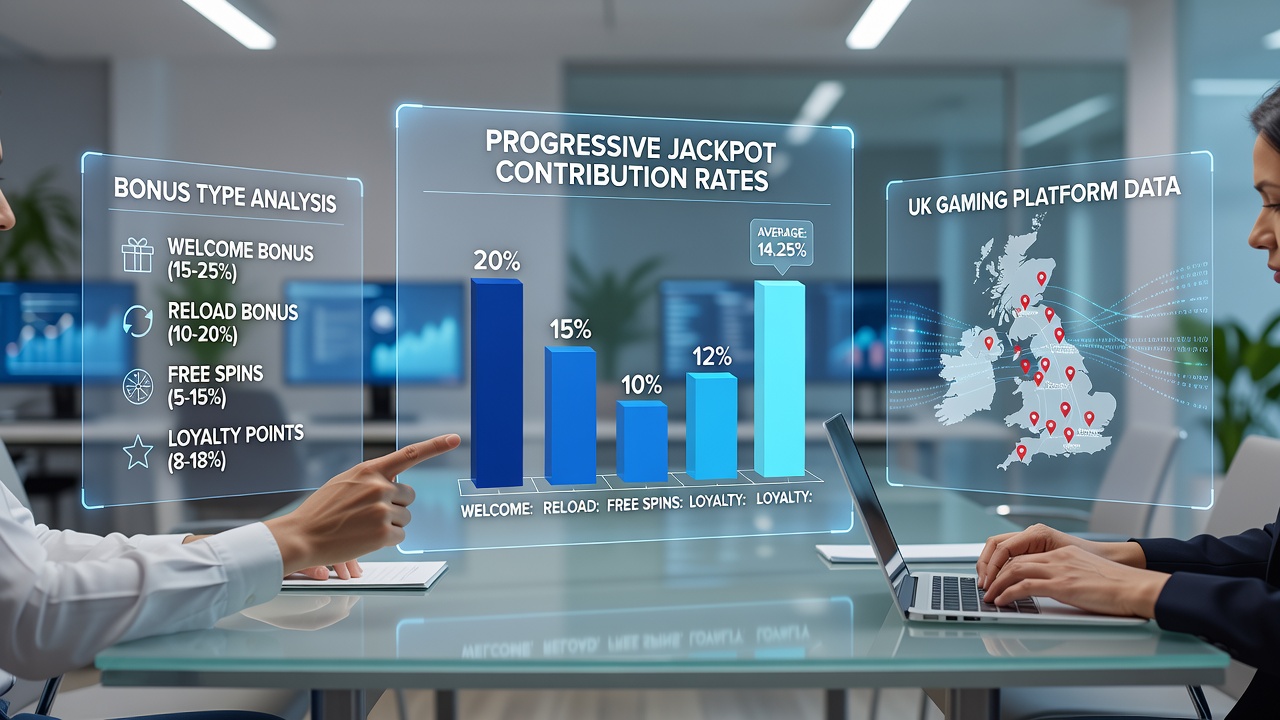
Progressive jackpots in UK gaming platforms operate through pooled contributions that accumulate from qualifying bets across multiple games and sites, creating the potential for substantial payouts that draw consistent player engagement. These systems depend on precise contribution rates, which determine how much of each wager feeds into the growing prize pool, and bonus types play a significant role in shaping those rates because platforms apply different rules to funds originating from welcome offers, free spins, cashback, and reload promotions.
Mechanics of Contribution in Progressive Systems
Operators calculate contribution percentages based on whether bets come from real money deposits or bonus balances, with many platforms setting rates at zero percent for certain promotional funds to control jackpot growth and manage risk exposure. Data from industry reports shows that standard slot wagers typically contribute between one and five percent of each bet to linked progressives, yet bonus-derived bets often receive reduced or null allocations because the underlying funds carry wagering requirements that already restrict cashout potential. Researchers at the University of Nevada's International Gaming Institute have documented how these distinctions maintain system stability, since full contribution from every bonus type would accelerate jackpot triggers beyond sustainable levels for smaller operators.
Deposit Match Bonuses and Their Impact
Deposit match bonuses represent one of the most common promotional structures on UK platforms, where operators credit additional funds proportional to player deposits, yet contribution rates to progressives vary widely depending on the specific terms attached to each offer. Platforms frequently assign full contribution status to these bonuses once players meet initial wagering thresholds, allowing the credited amounts to feed into jackpot pools at the same rate as cash deposits. Figures from multiple operator disclosures indicate that contribution reaches 100 percent for matched funds after players clear basic playthrough conditions, which aligns jackpot growth with actual betting volume rather than inflated promotional balances.
Free Spins and Zero-Contribution Patterns
Free spin bonuses generate winnings that platforms often treat as non-contributing toward progressive jackpots, a practice that limits rapid pool inflation while still delivering entertainment value to players. Studies compiled by the Australian Gambling Research Centre reveal that winnings from free spins contribute at zero percent in the majority of examined UK-facing sites, because these promotions derive from fixed prize pools separate from the main progressive meters. This separation prevents artificial spikes in jackpot values that could occur if every free spin payout automatically added to shared systems, and operators enforce the rule through backend coding that excludes such balances from the contribution algorithm entirely.

Cashback Offers and Partial Allocation Rules
Cashback promotions return a percentage of net losses as playable credit, and platforms apply partial contribution rates to these returns because the funds represent recovered player money rather than new deposits. Observers note contribution percentages ranging from 25 to 75 percent depending on the operator and game category, with slots often receiving higher allocations than table games where progressive links are less common. Reports issued in June 2026 by the Nevada Gaming Control Board highlighted similar tiered structures in comparable markets, showing that partial rates help balance jackpot growth with the promotional intent of loss-recovery offers.
Reload and Loyalty Bonuses in Context
Reload bonuses and loyalty rewards tied to ongoing play exhibit more consistent contribution patterns because they function as extensions of regular deposit activity rather than one-time incentives. Platforms integrate these bonuses into standard wagering streams, resulting in contribution rates that mirror those applied to cash bets in most documented cases. Industry data indicates that loyalty programs tracking player volume over extended periods produce steady additions to progressive pools, since repeated reloads maintain consistent bet flow without the zero-contribution restrictions placed on introductory free spin packages.
Platform Variations Across the Sector
Different UK gaming platforms implement contribution frameworks that reflect their individual risk models and jackpot network agreements, leading to observable differences even among sites offering identical bonus types. Some networks pool contributions across multiple operators and therefore standardize rates to ensure equitable distribution, while standalone platforms retain flexibility to adjust percentages based on internal jackpot sizes and player traffic patterns. Examination of terms across major sites shows that contribution can range from complete exclusion on certain no-deposit bonuses to full inclusion once players transition to real money play following bonus clearance.
Conclusion
Progressive jackpot contribution rates from bonus types in UK gaming platforms follow structured patterns shaped by operator policies, promotional categories, and network requirements, with deposit matches and reloads typically supporting higher allocations than free spins or cashback. These distinctions ensure controlled jackpot growth while preserving the appeal of promotional offers across the sector.