Timing Strategies Behind Promotional Campaigns from British Gambling Sites During Peak Sporting Seasons
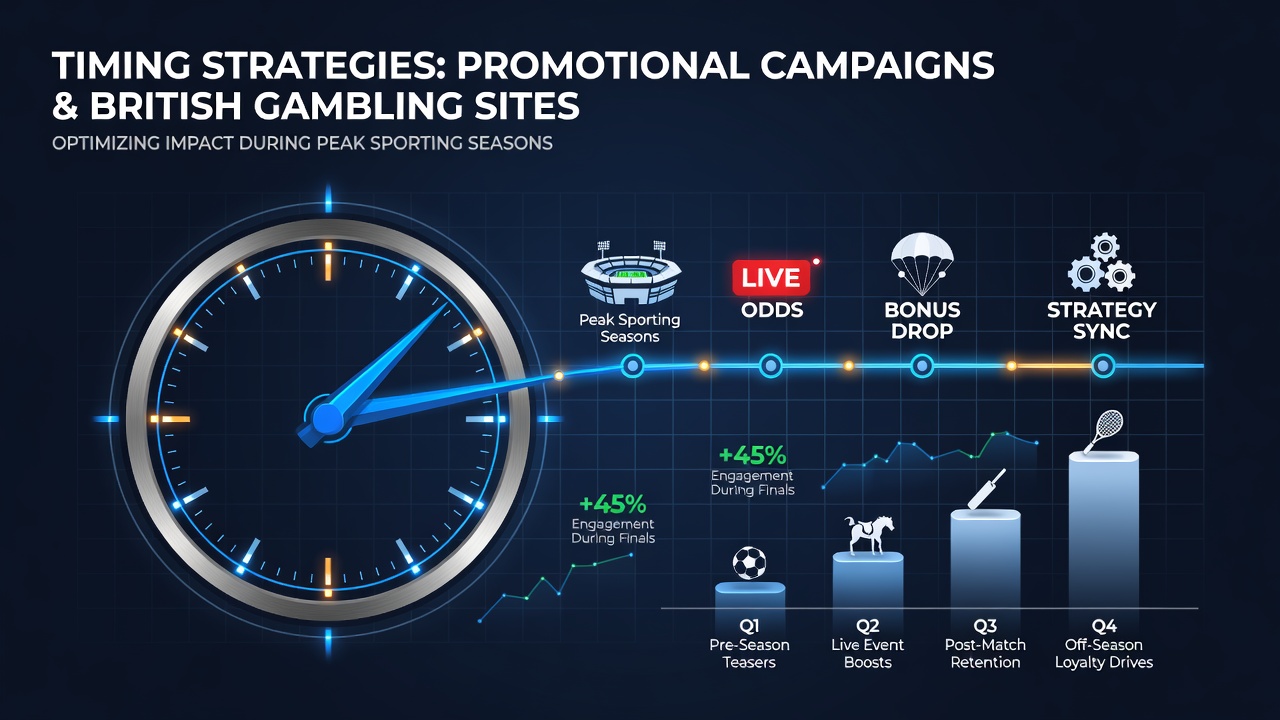
British gambling sites coordinate promotional campaigns around recurring high-attention periods in sports, with operators releasing offers that match fixture lists, tournament schedules, and broadcast windows. These alignments draw from historical betting volume data that peaks during events such as the Premier League winter months, Royal Ascot in June, and Wimbledon fortnight.
Mapping Seasonal Patterns to Campaign Launches
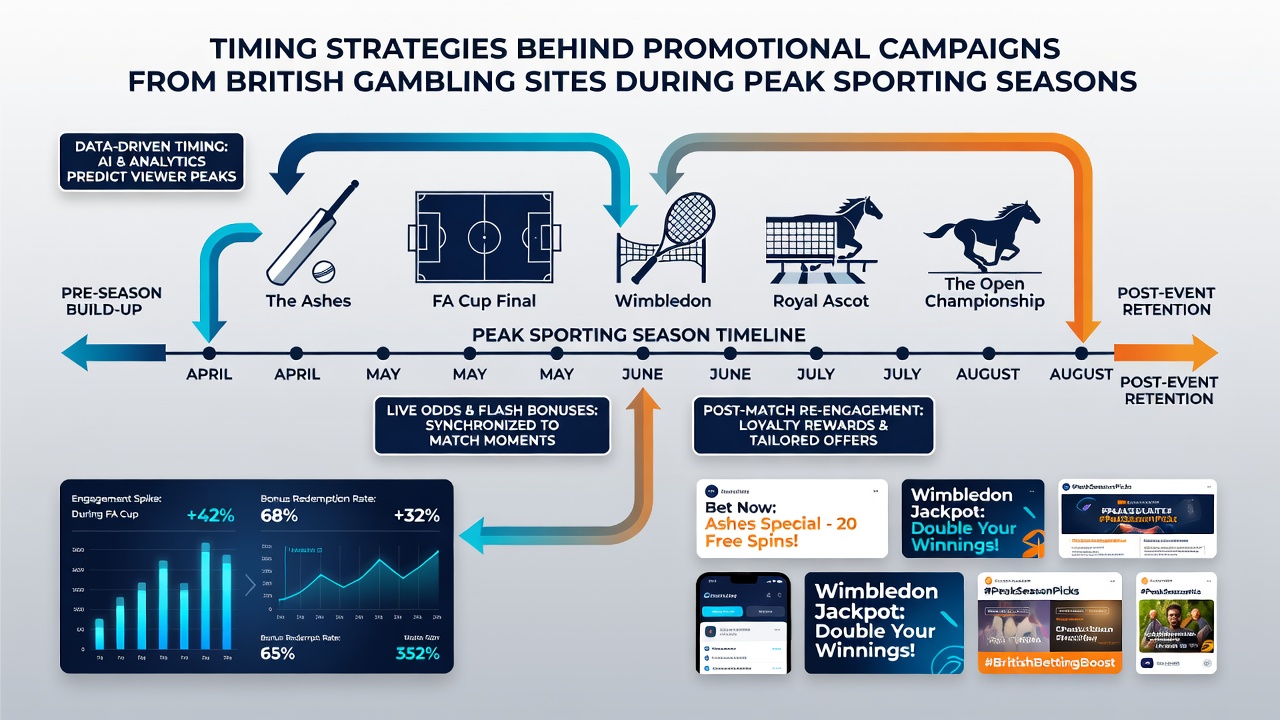
Operators review fixture releases from governing bodies months ahead, then schedule teaser promotions that build anticipation four to six weeks before kickoff. During the 2025-2026 football calendar, several sites began rolling out early-bird accumulator boosts in late July, timed to capture pre-season friendlies and transfer-window chatter. Similar forward planning occurs for horse racing calendars published each autumn, allowing sites to prepare each-way enhancements that activate on the first day of Royal Ascot rather than after the event begins.
June 2026 presents a distinct window because the FIFA World Cup will open on 11 June across host venues in North America. British platforms have already started internal timelines that place deposit-match campaigns and enhanced odds on group-stage matches into the first week of June, giving users advance notice while regulatory advertising rules require clear start and end dates. This approach mirrors earlier patterns observed ahead of the 2018 and 2022 tournaments, where volume spikes began ten days before the opening match.
Pre-Event Teasers Versus In-Event Adjustments
Pre-event promotions typically launch on fixed calendars, yet operators retain flexibility for in-event adjustments when results create narrative shifts. Data from past seasons shows that sites increase bonus frequency after surprise upsets or record-breaking performances, because user engagement metrics rise sharply on those days. One documented pattern involves releasing mid-tournament reload offers within 24 hours of a major upset, rather than waiting for the next scheduled push notification cycle.
Industry reports indicate that the window between announcement and activation averages 48 to 72 hours for most in-play style offers during peak months. This compressed cycle lets platforms respond to live betting surges without breaching advertising codes that require accurate terms at the moment of publication.
Data Sources Driving Release Windows
Analytics teams combine internal transaction logs with external indicators such as television audience figures and social media conversation volume. When both metrics align, as they did during the 2024 Euros semi-final period, operators advance the release of cashback offers by one or two days to capture the extended audience. External benchmarks, including figures published by the American Gaming Association on global sports betting spikes, help British sites calibrate their own forecasts for overlapping international tournaments.
Additional calibration comes from academic studies on gambling behaviour during mega-events. Research conducted at the University of Sydney's Gambling Treatment and Research Centre examined Australian betting patterns around major football tournaments and found that promotional uptake increased most sharply on days when matches overlapped with prime-time viewing hours in multiple time zones. British operators apply similar timezone-adjusted modelling when planning campaigns that run across European and Asian audiences simultaneously.
Coordination With Broadcast and Sponsorship Cycles
Many promotional calendars now incorporate broadcast schedules released by rights holders. When a terrestrial channel schedules an early-evening kickoff, operators often move deposit bonuses to activate two hours beforehand so users can fund accounts during pre-match build-up segments. Sponsorship activations follow comparable timing, with logo placements and in-app messages synchronised to the first whistle rather than generic weekly schedules.
During multi-week events such as the Ashes cricket series, sites stagger offers across test matches instead of issuing a single large promotion at the start. This segmented approach maintains engagement across five separate matches while complying with rules that limit how frequently the same offer can be advertised to the same user group.
Regulatory Windows and Compliance Buffers
Advertising codes require that terms remain stable once published, which influences how far in advance operators lock campaign mechanics. Most teams finalise creative assets and bonus parameters at least seven days before the intended go-live date during peak seasons, allowing legal review while still leaving room for minor fixture changes. The buffer prevents last-minute alterations that could breach transparency requirements.
Conclusion
British gambling sites treat timing as a core component of campaign architecture, using fixture releases, audience data, and regulatory calendars to determine when offers appear. The approach produces predictable release rhythms that coincide with established sporting peaks, while retaining enough operational flexibility to respond to live developments. As the 2026 World Cup approaches, these established timing frameworks will again guide the sequence of promotional activity across June and July.