UK Gambling Sites' Layered Loyalty Frameworks: How Tiered Reward Pathways Shape Long-Term Player Habits Across Sportsbooks and Casinos
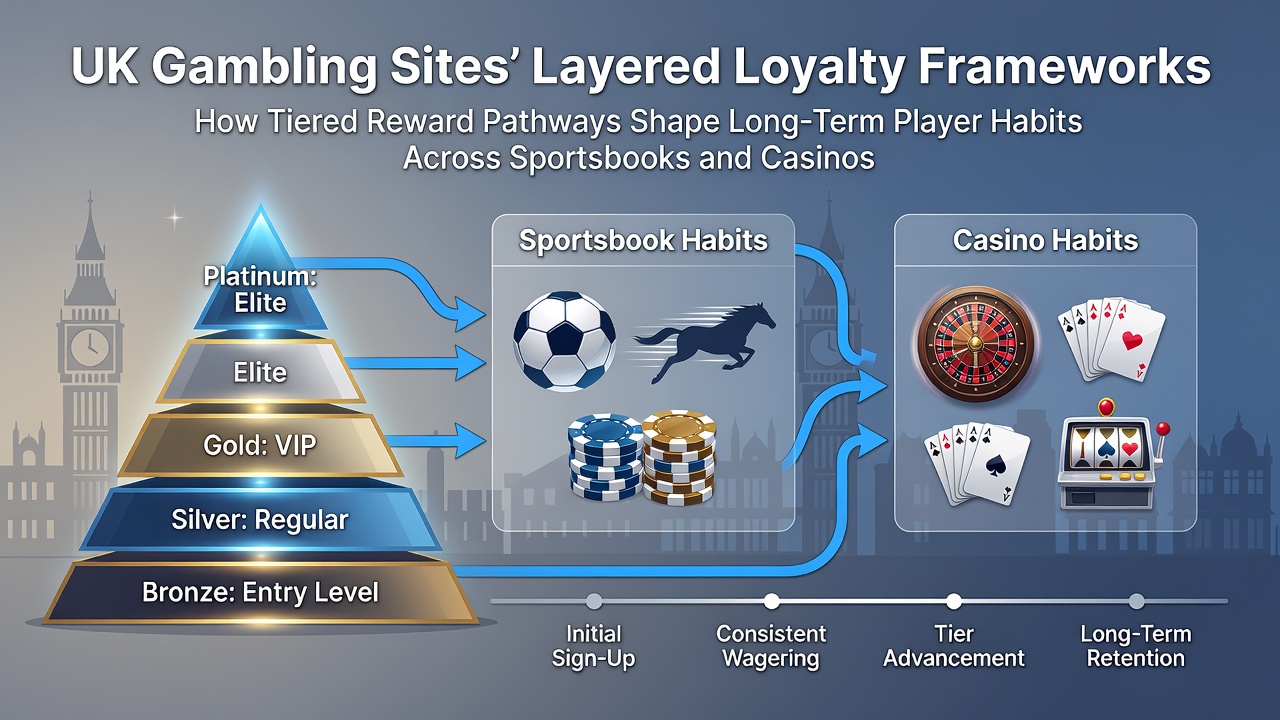
UK gambling sites have built layered loyalty frameworks that progress players through multiple tiers based on consistent activity, and these structures influence betting patterns over extended periods. Platforms assign points for wagers placed across sportsbooks and casino games, then unlock escalating benefits at each stage. Entry-level tiers typically grant basic cashback percentages along with occasional free spins, while higher tiers deliver personalized bonuses and priority access to events.
Observers note that players advance by accumulating points within set timeframes, often monthly or quarterly, and this system encourages regular logins rather than sporadic visits. Sportsbook users might receive boosted odds on select markets once they reach silver status, whereas casino players gain access to higher table limits and exclusive slot tournaments. The progression creates a measurable shift in habits as participants adjust deposit sizes and session lengths to meet the next threshold.
Mechanics of Tier Progression Across Platforms
Most frameworks operate on a points-per-pound model where wagers convert directly into loyalty credits, and operators adjust conversion rates depending on game type. Sports betting often yields lower point ratios than slots because of differing house edges, yet combined activity across both verticals accelerates movement between levels. Data from industry reports shows players who engage with multiple product types reach mid-tier status faster than single-focus users.
Each tier carries distinct requirements and perks. Bronze participants usually need modest monthly turnover, while platinum or diamond status demands sustained high-volume play and sometimes verified identity checks. Rewards scale accordingly with cashback caps rising from 5% to 15% and withdrawal speeds improving from standard processing to instant options. Several sites also add non-monetary elements such as dedicated account managers and invitations to live sports hospitality once elite tiers are achieved.
Habit Formation Through Escalating Incentives
Long-term engagement patterns emerge because each new tier resets the incentive curve, prompting continued activity. Research indicates that players maintain higher average bet sizes after crossing into gold or platinum brackets, driven by the desire to protect status and unlock further benefits. This dynamic appears across both sportsbooks and casinos, although the triggers differ slightly between verticals.
In sportsbooks, loyalty points often tie directly to accumulator bets and in-play wagers, leading participants to explore new markets they previously ignored. Casino environments reward volume through slot leaderboards and live dealer cashback, which can extend session duration. A study published by the National Council on Problem Gambling examined similar structures and found tiered rewards correlate with increased frequency of visits rather than isolated large deposits.
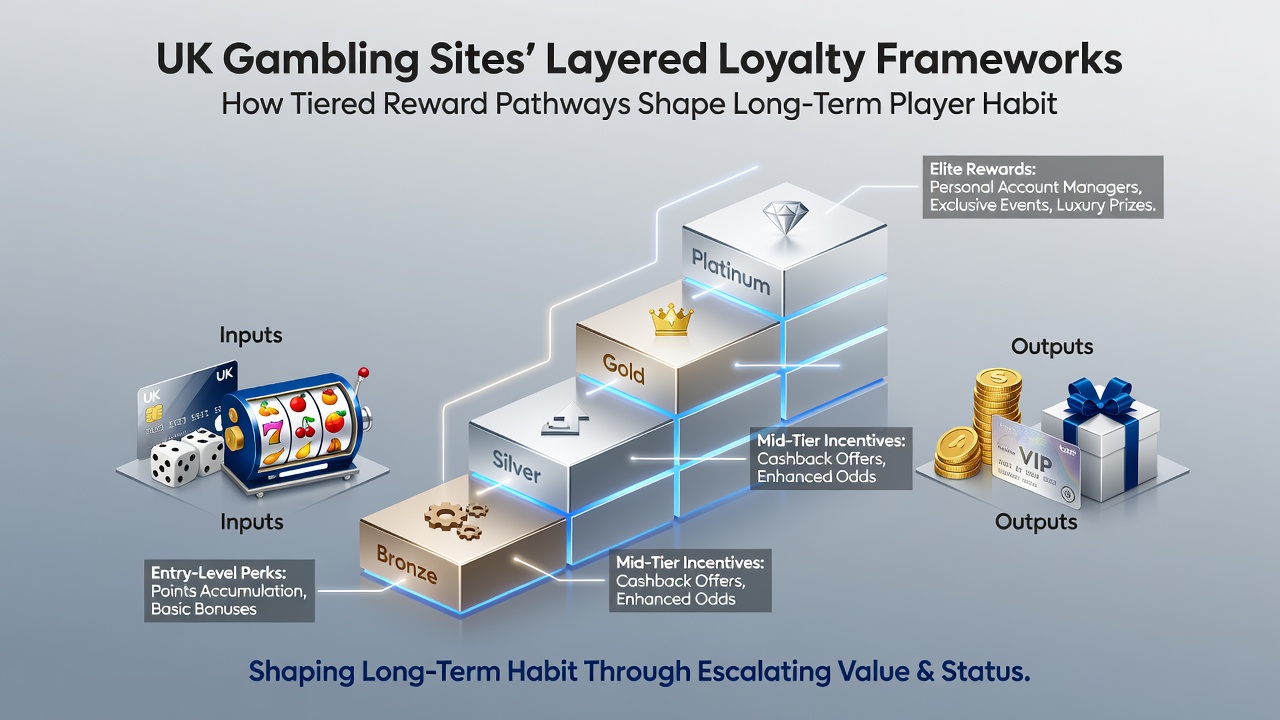
June 2026 brought additional personalization layers to several frameworks, with algorithms now factoring in individual game preferences when assigning bonus offers. This refinement allows operators to target specific habit loops, such as encouraging midweek sports bets or late-night casino sessions, without altering core tier rules. Participants report smoother progression because the system aligns rewards more closely with established routines.
Comparative Structures Between Sportsbooks and Casinos
Sportsbook loyalty pathways emphasize event-based milestones like correct score predictions or season-long challenges, whereas casino tiers focus on continuous gameplay metrics such as total spins or hands played. Both approaches funnel activity toward higher-value products once players enter upper tiers. Figures from the Canadian Centre on Substance Use and Addiction reveal that hybrid users who split time between betting and gaming demonstrate stronger retention across loyalty programs than those confined to one category.
Operators frequently run cross-promotions that convert sportsbook points into casino credits and vice versa, creating unified pathways. This integration reduces the friction of switching verticals and sustains momentum through the tier ladder. Those who reach elite status often receive tailored reload packages timed to major sporting calendars or new game launches, reinforcing habitual engagement patterns.
Conclusion
Layered loyalty frameworks on UK gambling sites function as structured progression systems that reward cumulative activity and reshape how players distribute their time and stakes. The tier mechanics operate consistently across sportsbooks and casinos through point accumulation, status thresholds, and scaled benefits. Evidence from multiple research bodies shows these pathways sustain long-term participation by aligning incentives with repeated engagement, while ongoing refinements in June 2026 have added further personalization without changing the fundamental structure.