UK Platform Loyalty Ladders: How Tiered Reward Systems Reshape Long-Term Engagement for Regular Players
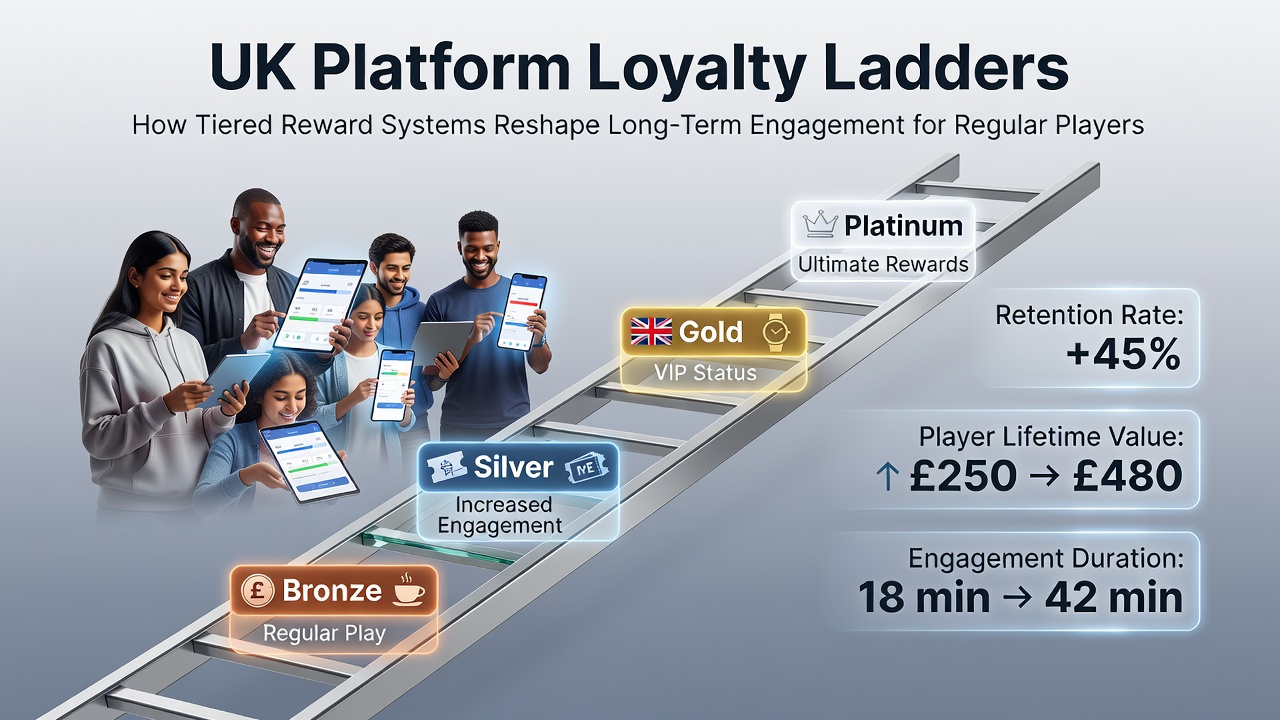
UK gambling platforms have adopted tiered loyalty ladders that classify players according to accumulated activity levels, and these systems deliver progressively higher rewards as participants climb from entry points to premium tiers. Operators calculate status through metrics such as total wagers placed, frequency of sessions, and duration of consistent play, then grant access to enhanced benefits at each successive level. Data from industry monitoring groups shows that structured progression mechanics correlate with extended account activity across multiple quarters.
Mechanics Behind Tier Progression
Platforms establish clear thresholds that require specific volumes of play to unlock the next tier, and these thresholds often reset on an annual or quarterly cycle to maintain momentum. Entry-level participants receive basic perks such as occasional free spins or small cashback percentages, while mid-tier users access faster withdrawal processing alongside personalised promotions, and top-tier members obtain dedicated account managers plus exclusive event invitations. According to research published by the Responsible Gambling Council in Canada, volume-based structures encourage sustained participation because rewards scale directly with continued engagement rather than one-off actions.
Points systems convert raw betting activity into tier credits through standardised formulas, and many operators apply multipliers during promotional windows to accelerate movement between levels. Players who maintain minimum activity thresholds retain their status, whereas inactivity triggers demotion after a defined grace period. Figures released by the Australian Institute of Family Studies indicate that retention rates improve when systems incorporate both achievement milestones and ongoing maintenance requirements.
Engagement Patterns Across Player Segments
Regular players who advance through multiple tiers demonstrate higher session frequency compared with those who remain at entry levels, and platform analytics consistently record this divergence across sports betting and casino verticals alike. The structure provides visible progress indicators that prompt additional play to reach the next reward bracket, and operators report that communication about upcoming tier benefits further stimulates activity. A Monash University study on digital loyalty programmes found measurable increases in repeat visits once participants crossed the first or second threshold in similar reward frameworks.

Seasonal adjustments appear in some ladders during major sporting calendars, and these temporary boosts allow faster accumulation for players focused on specific events. As of July 2026, several major operators introduced hybrid tiers that combine traditional volume metrics with social features such as community challenges, and early reporting suggests these additions extend engagement windows for mid-tier cohorts. External audits confirm that transparent rules around point expiration and status resets reduce disputes while preserving the incentive to remain active.
Data on Retention and Activity Metrics
Industry reports compiled by the European Gaming and Betting Association document that platforms employing multi-tier ladders achieve longer average account lifespans than those offering flat rewards. Retention curves flatten at higher tiers because accumulated benefits create switching costs that discourage migration to competing sites. Observers note that personalised offers tied to tier status produce stronger response rates than generic promotions distributed to all users.
Volume-driven cash returns and milestone drops function as intermediate incentives within the broader ladder, and these elements bridge gaps between major tier upgrades. Research indicates that players who receive incremental recognition at regular intervals maintain steadier activity levels throughout the year. Government data from several jurisdictions shows that structured loyalty frameworks coexist with responsible gambling tools, since operators can deliver tier benefits alongside spending limit reminders without disrupting progression.
Operational Considerations for Platform Operators
Developers integrate loyalty engines directly into account dashboards so participants can track progress in real time, and this visibility supports goal-oriented behaviour among regular users. Compliance teams review tier algorithms to ensure they align with fairness standards, and external verification of point calculations occurs periodically. Operators that publish clear tier benefit schedules experience fewer support queries related to reward eligibility, according to internal metrics shared within trade associations.
Cross-vertical ladders that span sportsbooks and casino products allow players to accumulate status through varied activity types, and this flexibility broadens the appeal for users who engage with multiple game categories. July 2026 updates to several platforms introduced tier-linked live event access that requires no additional deposits, and these additions illustrate how non-monetary perks can complement cash-based rewards.
Conclusion
Tiered loyalty ladders on UK platforms organise player rewards around measurable activity thresholds, and available data links these systems to extended engagement periods for regular participants. Progression mechanics, tier-specific benefits, and transparent status tracking collectively shape long-term behaviour patterns across the sector. Continued monitoring by independent research bodies will clarify how these frameworks evolve alongside regulatory and technological developments.